Start with the current phase
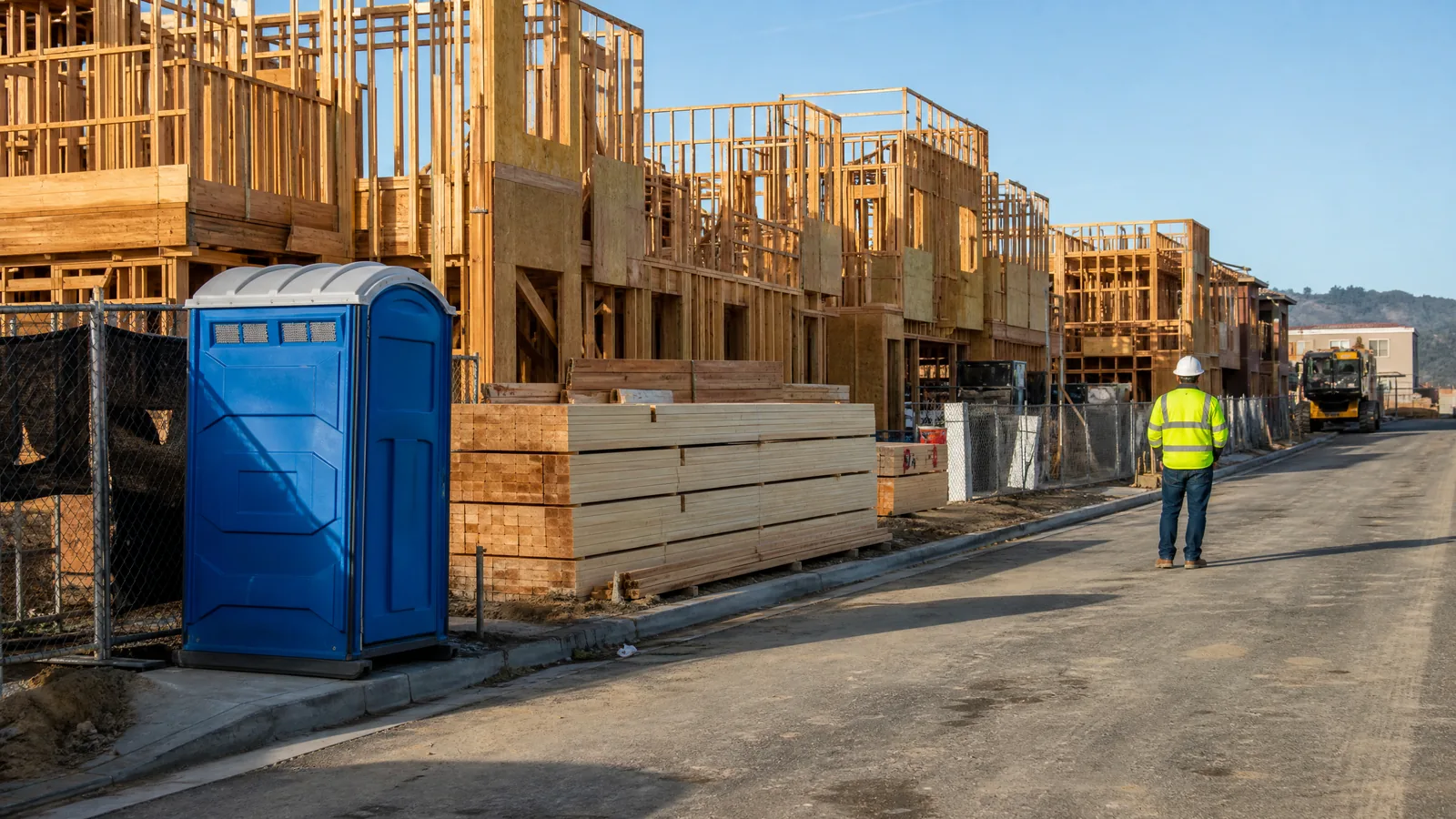
Describe whether the project is grading, vertical construction, interior build-out, renovation, demolition, or punch-list work. The phase affects where a unit can sit and how workers reach it. Identify gates, fencing, temporary walkways, lifts, cranes, dumpsters, and changing delivery routes. If the site is occupied or adjacent to residents, keep the approach clear and consider how visitors will distinguish the facility from the work zone.
Choose a stable location
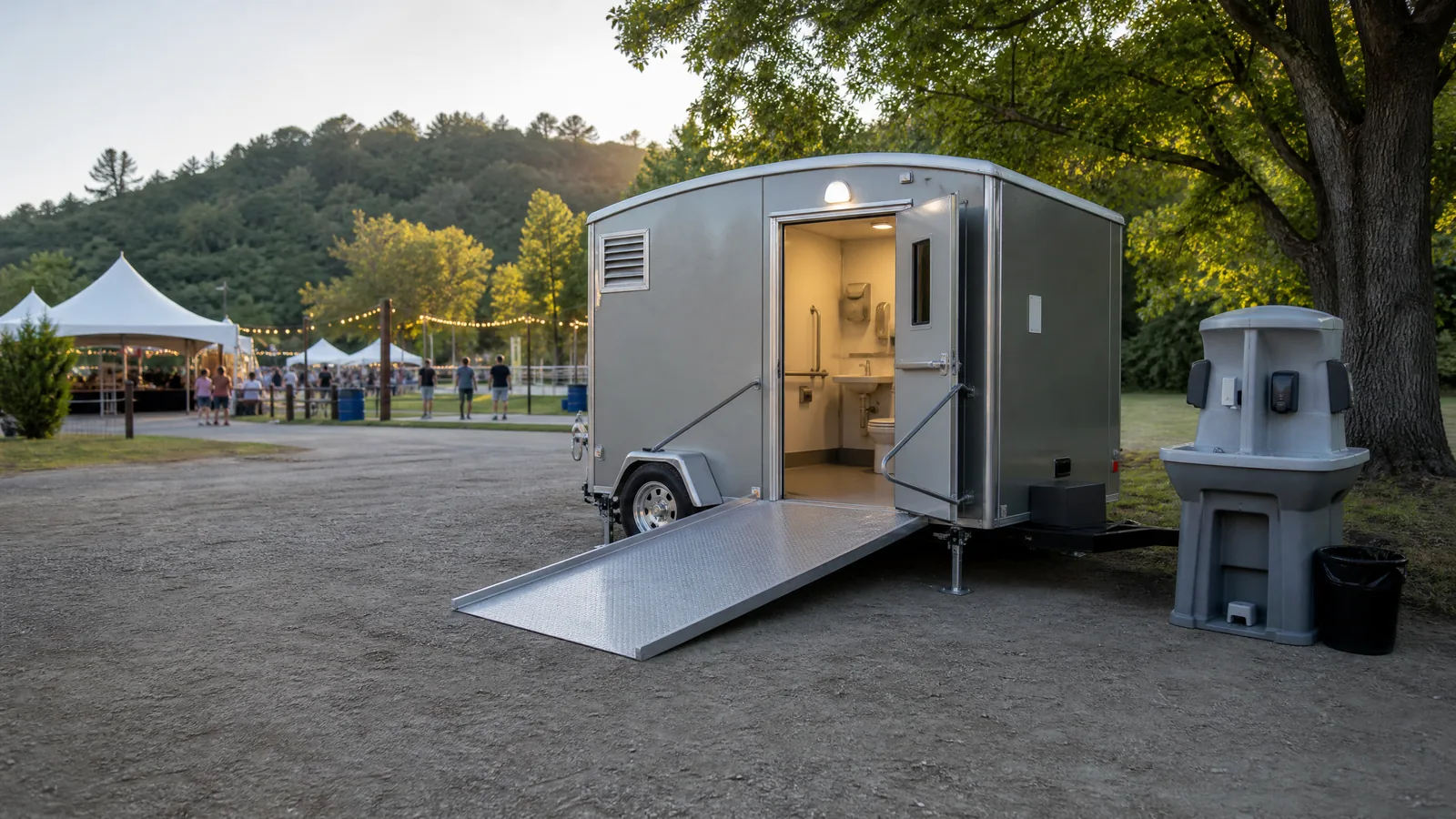
A firm, reasonably level location supports safer use and easier servicing. Do not place a unit where it can be struck by equipment, trapped behind stored materials, or made inaccessible by a new slab, trench, or fence line. The superintendent or site manager should own the placement decision and communicate any relocation before the route becomes blocked.
Plan for changing access
Long projects need periodic review. A unit that works during excavation may be poorly located once framing, paving, or landscaping begins. Add the restroom to the site logistics plan and recheck it after major milestones.